Empowering Innovation in
Research, Publishing
& Academic Support
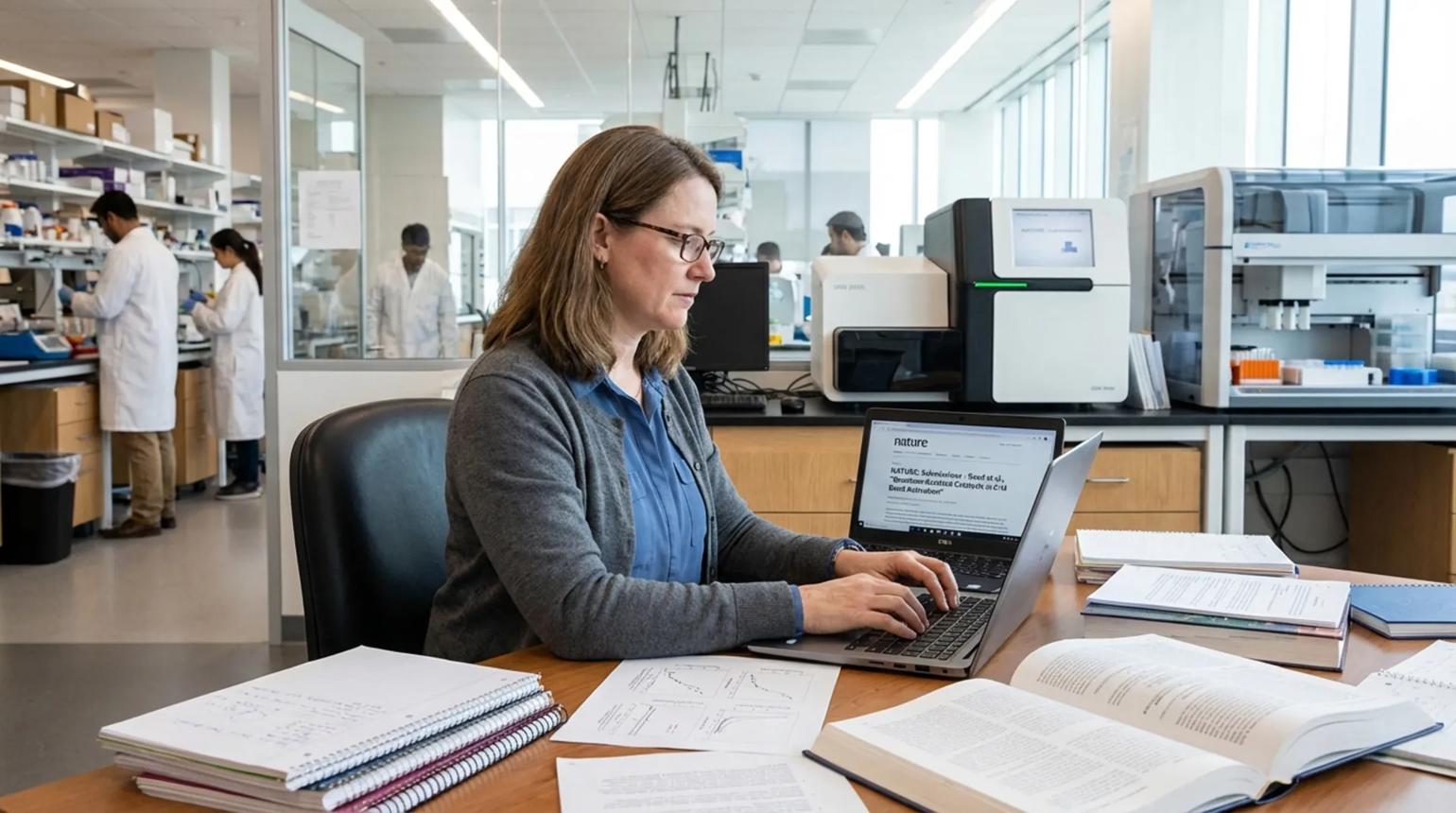
At the heart of innovation and academic excellence, D.Y.A. Research Center stands as a catalyst for transformative research and interdisciplinary collaboration—serving scholars and institutions worldwide.

1320+
Trusted Scholars
145+
Client Ratings
130+
Awards Won

D.Y.A. Research Center
D.Y.A. Research Center is a premier academic and research-driven organization dedicated to advancing knowledge creation, scholarly communication and educational innovation. We collaborate with researchers, universities, institutions and professionals across multiple disciplines to deliver world-class academic solutions.
From journal publishing and editorial services to conferences, research support and institutional development, our mission is to build a global ecosystem that promotes high-quality research and meaningful academic collaboration.
Research Excellence
Supporting researchers with publication, editorial and academic consulting services.
Global Collaboration
Connecting universities, institutions and scholars through conferences and research partnerships worldwide.
Comprehensive Academic Solutions
From manuscript to publication, from data to discovery — we are your research partner every step of the way.
Journals
Specialized services supporting universities and research institutions in establishing and managing peer-reviewed scholarly journals.
Book Publication
Comprehensive support for planning, peer-review coordination, content formatting, and global dissemination of academic monographs.
Editorial Board
Join our esteemed editorial board to contribute expertise in reviewing and shaping high-quality research publications worldwide.
Patent & IP Support
We support research, create patents, and transform novel ideas into practical solutions with global academic and industrial impact.
Launch Your Journal
End-to-end support with hosting platforms including OJS, WordPress, and Zoho tailored for academic publishing.
Conferences & Events
Academic conferences, workshops, and knowledge exchange programs for researchers worldwide.
Latest from D.Y.A.
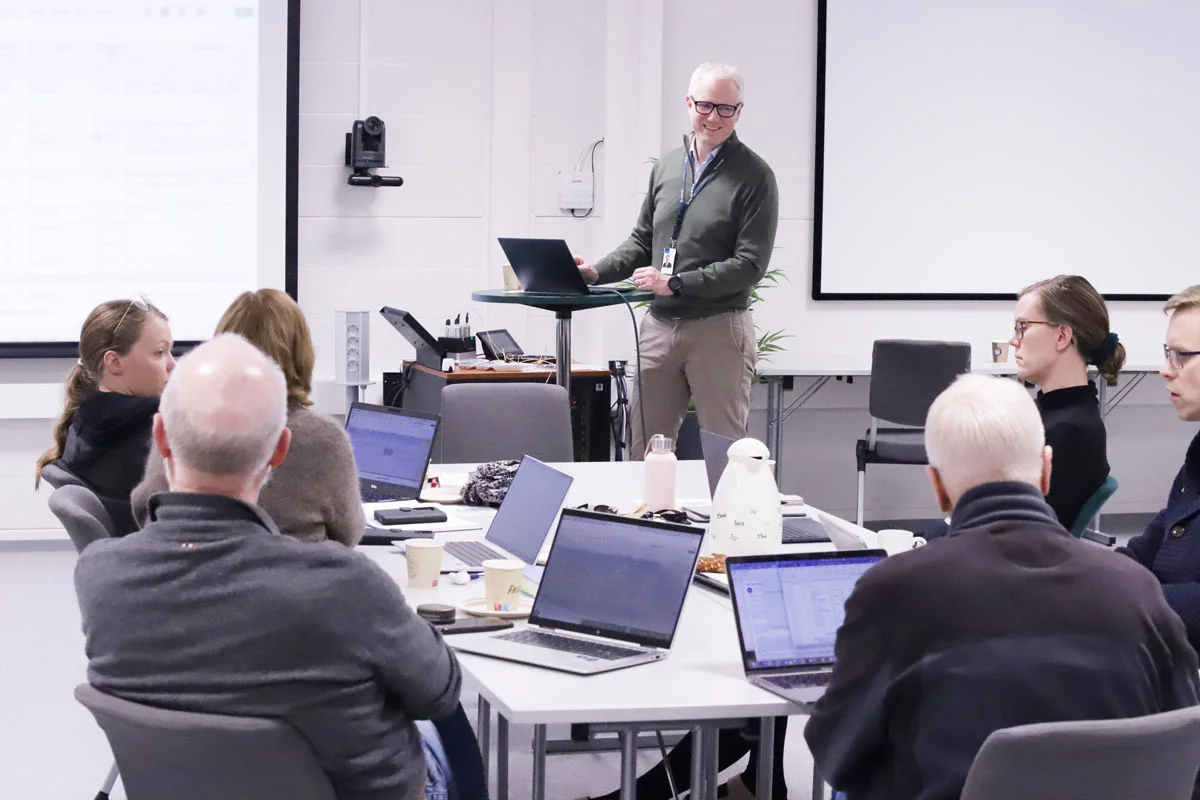
Research Publication Workshops
Hands-on sessions on writing quality research papers, understanding UGC CARE & Scopus indexing.
International Conferences
Multi-day gatherings in global hubs where experts present peer-reviewed papers and build lasting networks.
Research Meetups & Forums
Connecting DYA researchers with mentors from academia, industry, and international institutions.